
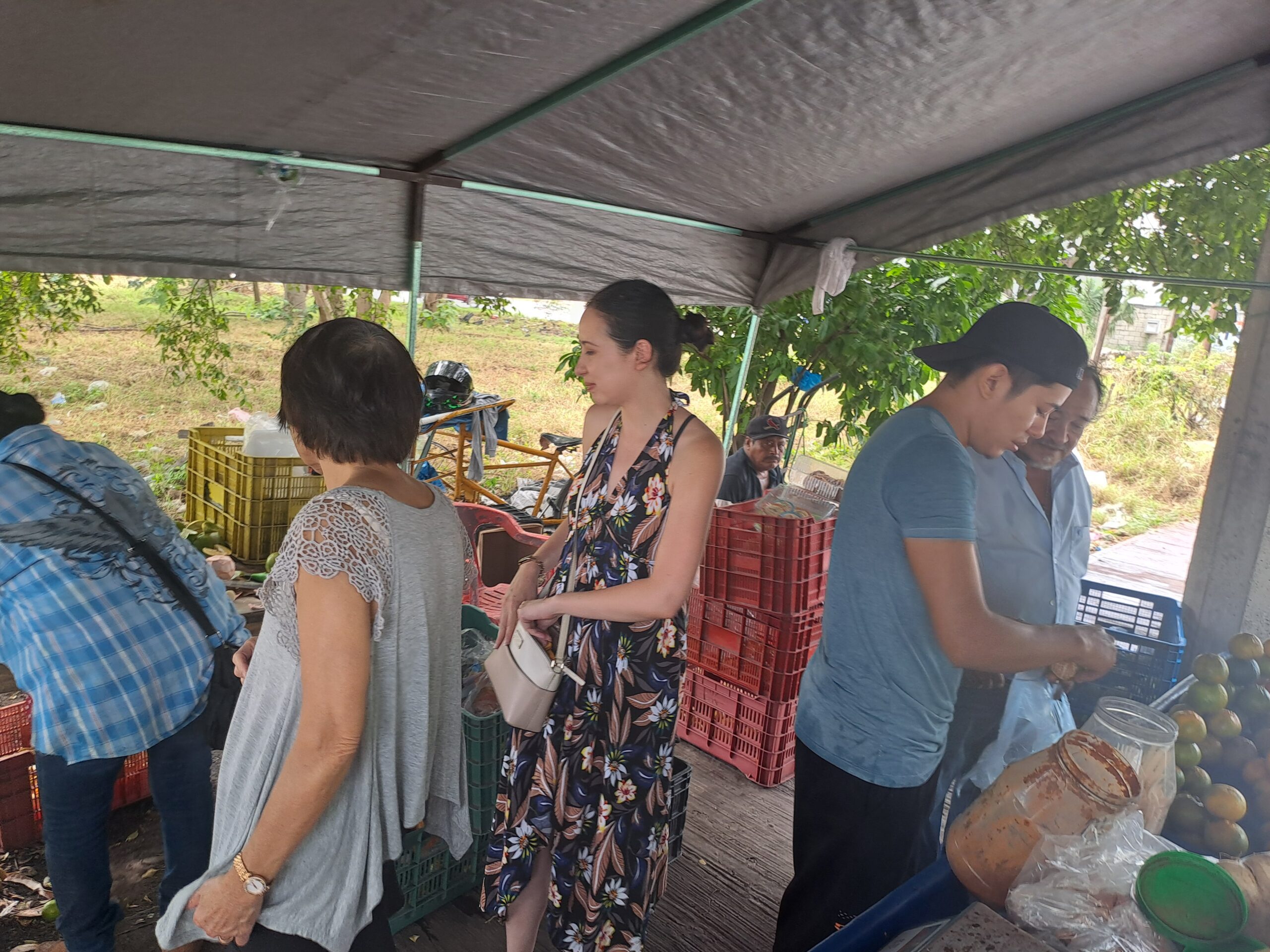
Understanding cultural etiquette helps travelers enjoy a more respectful and meaningful experience. For visitors arriving from Europe, learning a few simple customs can make their trip through Yucatán smoother and more authentic. Mexico is warm, welcoming and culturally rich, and people in Yucatán in particular are known for their kindness and hospitality. This guide explains the main cultural habits that European travelers should know before visiting.
Respect for traditions and local communities
Yucatán has a strong Mayan identity that still influences everyday life. Travelers will notice Mayan language, traditional clothing, local celebrations and community practices that have existed for centuries. Showing interest and respect is always appreciated. Asking before taking photos of people, learning a few Mayan words like ma’alob (good), or showing curiosity about local rituals makes interactions more meaningful.
Visitors often tell us that the most beautiful part of their trip is connecting with people in small towns, markets or villages. Being polite and open makes these moments easier.
Personal space and communication
People in Yucatán tend to be friendly, polite and calm. Communication is warm and respectful. Shaking hands or giving a small nod when greeting someone is common. Eye contact is appreciated but not in an intense or intrusive way. Smiling helps build trust and starts conversations naturally.
If travelers visit a Mayan community with a guide, it is recommended to let the guide introduce them. This shows respect and creates a comfortable environment for everyone.
Food etiquette and local gastronomy
Trying local dishes is an important part of traveling in Yucatán. Guests are encouraged to taste regional specialties like cochinita pibil, lime soup, relleno negro or handmade tortillas. When invited to try something in a home or community, accepting even a small amount is considered polite.
European travelers are often surprised by how generous people can be when sharing food or drinks. This generosity reflects the cultural value of hospitality. Saying thank you and showing appreciation is more important than finishing everything on the plate.
Respect in sacred and natural places
Many cenotes, archaeological areas and natural sites in Yucatán have cultural or spiritual importance. Visitors are expected to behave respectfully, avoid shouting, not climb structures unless allowed and follow the instructions of their guide.
Cenotes in particular hold a deep cultural meaning. Swimming is allowed in most of them, but travelers should avoid using sunscreen before entering because it damages the water ecosystem. This small gesture helps protect these natural treasures.
Punctuality and rhythm of life
The rhythm of life in Yucatán can feel slower compared to European cities. People take time to talk, eat and enjoy the moment. While tours and activities start on time, the general atmosphere is relaxed. Travelers often find this slower pace refreshing, especially when they spend several days enjoying cenotes, nature and historical sites.
How to interact respectfully with artisans and vendors
Markets and artisan shops are part of the cultural experience. When visiting, it is acceptable to look around without buying immediately. Bargaining exists, but it should be done politely and with respect. Artisans invest time and effort in their work, and many travelers prefer to pay a fair price knowing they support local talent.
Learning a few words in Spanish, even simple ones like buenos días, por favor, or gracias, can create friendly connections.
Why cultural etiquette enhances your trip
Understanding these cultural habits does not only show respect. It also helps travelers enjoy deeper interactions. People in Yucatán value kindness, humility and curiosity. When visitors embrace these qualities, they see the region in a more intimate and enriching way.
For travelers arriving from Europe, this knowledge creates the opportunity to experience Yucatán beyond the main tourist attractions, discovering the lifestyle, values and stories that make the peninsula unique.
Travel with a local guide for a deeper understanding
Travelers who explore Yucatán with a local guide gain access to stories, traditions and cultural insights that are easy to miss when traveling alone. Tunkuruchu Tailor Made Tours specializes in private cultural experiences, helping visitors connect respectfully with communities, nature and the heritage of the region.
Final thoughts
Cultural etiquette in Yucatán is simple, warm and human. A little respect and curiosity go a long way. When travelers understand the culture, their journey becomes more meaningful and authentic. By embracing local customs, they discover the true spirit of Yucatán and create memories that stay with them forever.


No responses yet